
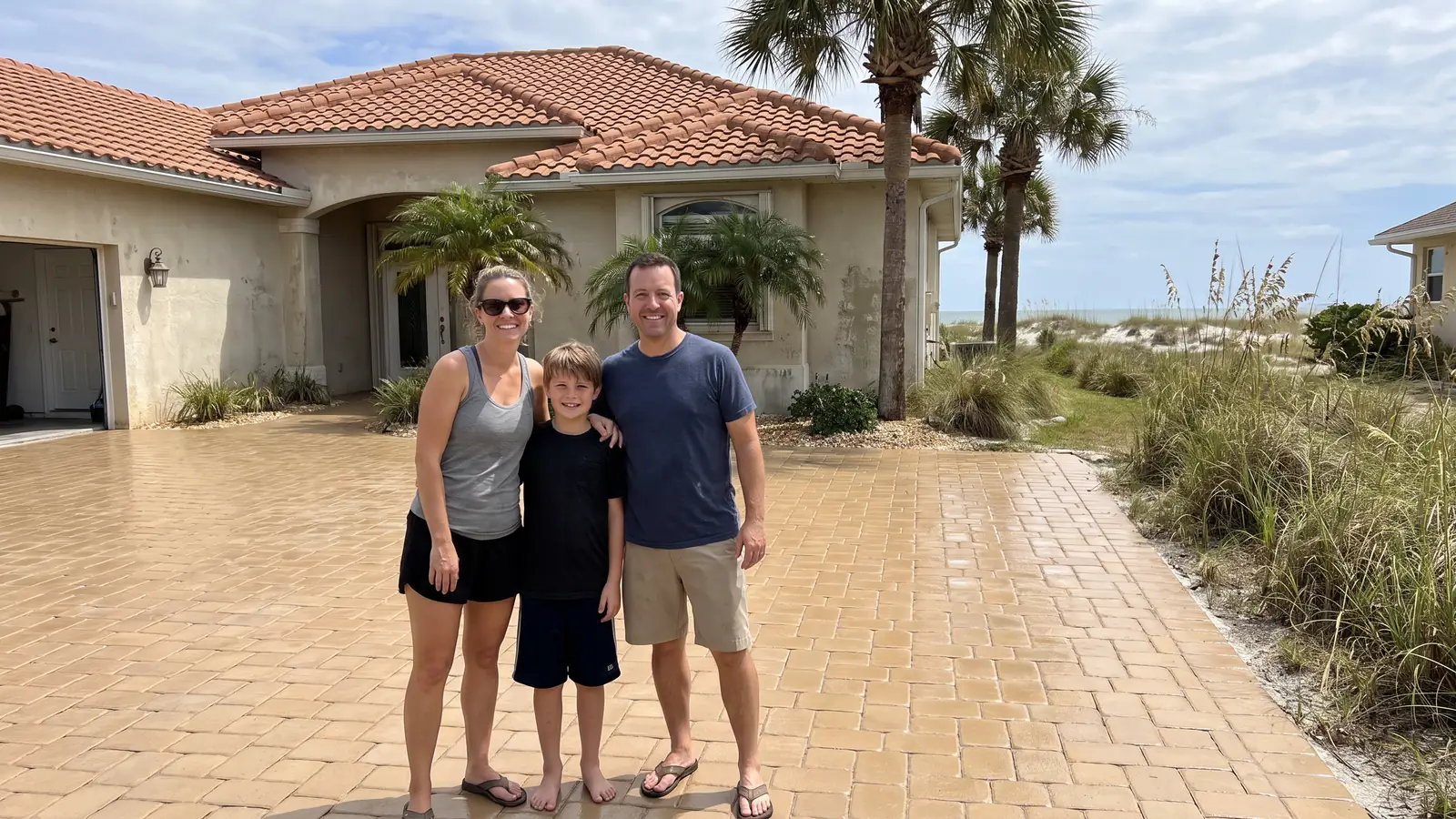
Paver sealing for Lake Asbury homes
Paver Sealing in Lake Asbury, FL
If your new Lake Asbury home has a paver driveway, call (904) 274-8546 to ask when it can be sealed.
- Brings out deeper paver color
- Fresh joint sand helps lock pavers in place
- Gives weeds less room to grow
- Makes the surface easier to keep clean
- Free estimate, no obligation
Request a Free Estimate
Free, no obligation.
Fast, careful paver sealing in Lake Asbury
Paver sealing in Lake Asbury is open to brand-new subdivisions and older homes by the lake alike. A local contractor washes, sands and seals driveways, walks and patios, and the estimate costs nothing to request. Call (904) 274-8546 and expect to hear back within 1 business day, usually much sooner.
Maybe your new driveway already shows a white haze, or an older one by the water has faded to a dusty tan. Once the pavers are washed, the seams refilled and a fresh coat applied, the color evens out and water beads up again. If you would like a price for your own drive, ask for a free estimate and include roughly when the pavers went in.
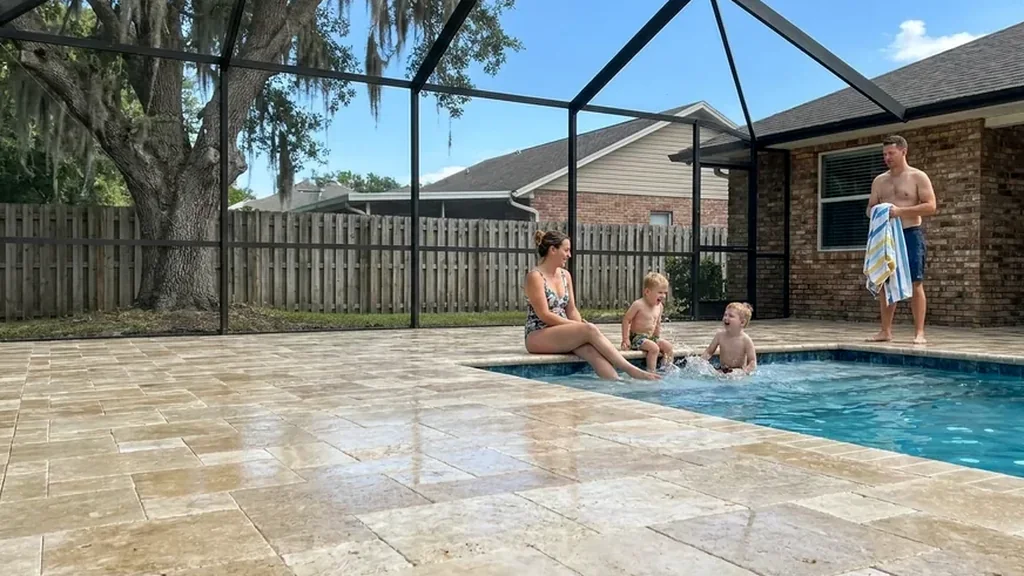
Why hire a local paver sealing contractor in Lake Asbury?
Lake Asbury is changing fast, so homeowners often want a contractor who knows both the new subdivisions and the older homes by the water. To ask about yours, call (904) 274-8546.
A free check, new or old
A contractor looks at your Lake Asbury pavers at no charge, including whether new pavers are ready for a first coat.
Quotes you can measure
Clean, sand and seal is commonly priced at $1.50 to $3.25 a square foot in this region. Compare each quote with that.
The look you want
Matte keeps a natural face, while a wet look deepens color but shows scuffs sooner. Your HOA may want a say.
Yes only when you are ready
You choose the date and the finish, and you can stop at the estimate. No Lake Asbury quote obligates you to hire.
Get Your Free Estimate in Lake Asbury
Tell us about your pavers in Lake Asbury.
Free, no obligation
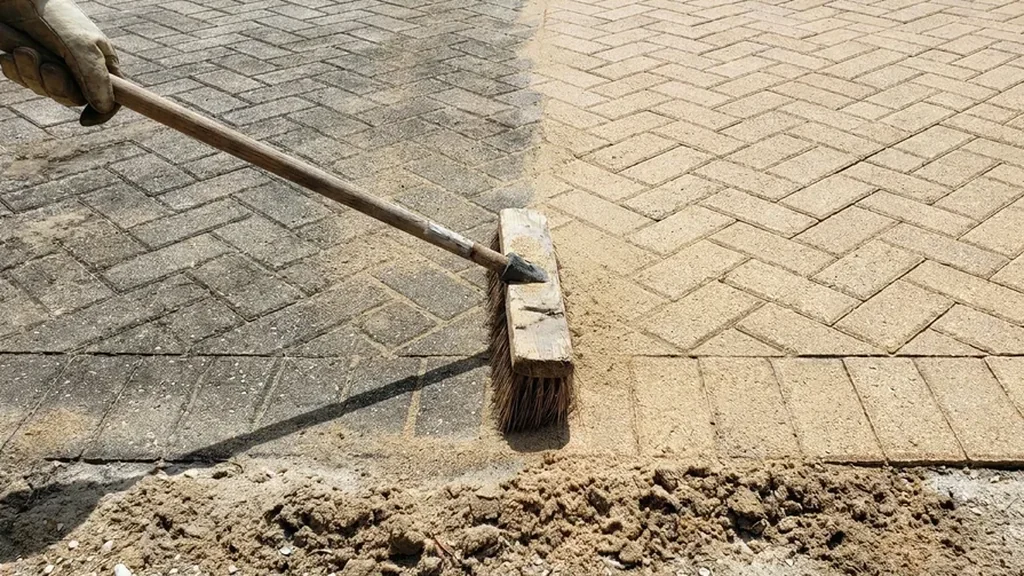
What paver problems show up most in Lake Asbury?
Sealing a brand-new driveway too soon
New neighborhoods such as Hyland Trail, The Glens and Granary Park are adding thousands of homes around Lake Asbury. A Jacksonville paver company says fresh installs should be cleaned, sanded and sealed only after the initial bedding settles. A coat applied the week you close can lock in a surface that is still moving. Ask the contractor to judge when your new pavers are ready instead of picking a date at random. Those new streets sit close to the First Coast Expressway, and a lot of them are still filling in.
Chalky white bloom on newer pavers
Chalky white deposits on concrete pavers are called efflorescence. A Jacksonville cost guide lists trapping it under sealer as one of the two most common sealing failures. That is why the white has to be treated during cleaning, before any coat goes on. White that shows up after sealing is a different problem, usually damp pavers or too much product, and it may mean stripping the coat.
Joints that drain away in loose sand
The Penney soil series, first described in Clay County, is deep sand that drains fast. That is a county-level fact, but it explains a lot about joints that keep sinking. Jacksonville-area rain now averages 53.4 inches a year, and summer and fall gained the most. Loose sand plus more summer rain means a Lake Asbury contractor should expect to refill plenty of seams. Open joints also leave room for weeds and ants, and a Jacksonville company lists ant hills along the joints and edges as a sign a drive is due.
Color fading on drives from the boom years
Lake Asbury grew about 290 percent from 2000 to 2010, so many driveways here are now well into their second decade. A Jacksonville paver company says unsealed concrete pavers fade noticeably within three to five years of local sun. A drive laid during that boom and never resealed has had several of those cycles. Bringing back the color is often the main reason those homeowners call.
Finish rules in newer communities
Only a few of the older lake homes report an HOA, but newer master-planned streets may run differently. Florida law lets an association's board or committee hold owners to an existing look for the outside of their homes. A dark wet look changes that look more than a matte coat does. If you live in one of the newer Lake Asbury communities, check the rules before picking a finish.
Does a new Lake Asbury subdivision need different paver care than an older lake home?
Yes, mainly in timing. Hyland Trail, The Glens and Edenbrooke are part of a building wave that local news says will bring more than 3,000 homes. A paver driveway that just went in needs its bedding to settle before its first coat. If you closed on a new home recently, ask for a free estimate and give the month it was finished.
Granary Park, planned in 2021 for about 700 homes along Sandridge Road, uses lots 40 to 60 feet wide. Narrower lots often mean shorter drives and smaller patios, and a local cost guide says smaller projects generally cost more per square foot. Adding a back patio or walk to the same visit may help the rate. Call (904) 274-8546 with a rough idea of your square footage.
Around the lake itself, the tracked homes date from 1967 to 2024, and half were built before 1978 or so. Pavers there may carry a coat from an earlier owner, and water-based sealer cannot go over solvent-based sealer. That makes a check of the old surface the first job on an older Lake Asbury home. To have one of those drives looked at, ask for a free estimate.
What does paver sealing cost in Lake Asbury?
Regional paver companies post prices of $1.50 to $3.25 a square foot for the full job. A local cost guide says homeowners in Green Cove Springs and Middleburg sometimes see lower pricing because of less competition and simpler access. Lake Asbury sits between those two towns, though each quote still depends on the pavers in front of the contractor. To find out where yours falls, ask for a free estimate.
Within that range, a first coat on clean, settled pavers usually takes less work than a reseal over a failed one. A local guide says white, hazy or flaking sealer has to be stripped before new sealer goes on, and that adds to the bill. Small jobs tend to cost more per square foot as well. Call (904) 274-8546 and ask what is included before you compare quotes.
| Paved area | Typical example | Clean, sand and seal |
|---|---|---|
| 300 sq ft | Small patio or walkway | $450 to $975 |
| 600 sq ft | Two car driveway | $900 to $1,950 |
| 1,000 sq ft | Large driveway or pool deck | $1,500 to $3,250 |
| 1,500 sq ft | Driveway plus pool deck | $2,250 to $4,875 |
Math based on the $1.50 to $3.25 per square foot that Northeast Florida paver companies published as of November 2026. Your contractor sets the actual price after seeing the surface. Repairs, leveling and stripping failed sealer are usually extra.
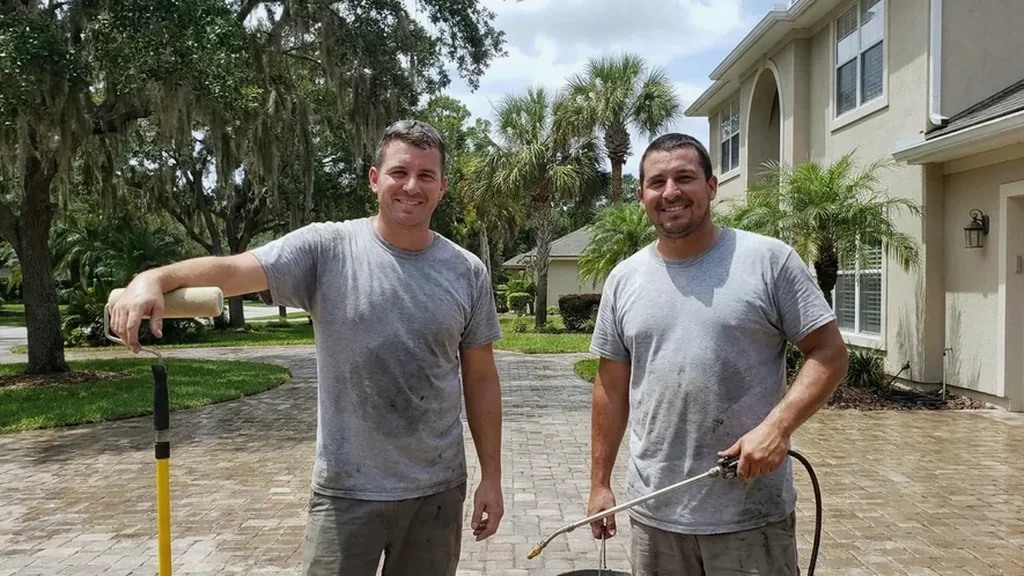
How does a paver sealing job work in Lake Asbury?
Confirm the pavers are ready
On a newer Lake Asbury home, the contractor first checks that the bedding has settled, since fresh installs should not be rushed. On an older home, the question is what coat is already there. Low or lifted spots get fixed before sealing, because sealer holds whatever shape it covers. Either way, you should hear the plan before any work starts.
Clean and treat the white bloom
The wash clears dirt and treats any chalky efflorescence so it does not end up under the new coat. Oil or rust spots get pre-treated at the same time. Rinse water should stay off fresh sod and garden beds. On a brand-new driveway with little buildup, this step can go quickly.
Put back the joint sand
Any wash on a Lake Asbury drive loosens joint sand, so fresh sand fills the gaps before the coat. On Clay County's fast-draining sand, a full joint helps the pavers stay locked together. The contractor sweeps sand into every seam and clears the face of each paver. Ask what kind of joint sand is planned for your Lake Asbury job.
Wait for truly dry pavers
Sealer needs a dry surface, and a Jacksonville company says nearly every white coat it is called about traces to damp pavers or too much product. After a summer downpour, a careful contractor waits rather than pushing ahead. That patience on a Lake Asbury job protects the finish on new and old pavers alike. Expect a day or two of slip during the stormiest months.
Coat, cure and keep cars off
Sealer goes on in the finish you picked, usually sprayed and then back-rolled so it reaches the joints evenly. People can walk on it within a few hours, but cars need longer. In a newer Lake Asbury community, check where you may park overnight. Expect the next Lake Asbury coat in roughly two to five years, the span companies commonly give.
Complete paver services in Lake Asbury
Every Lake Asbury job follows the same path. The pavers get washed, the joints get new sand, the surface dries and then the sealer goes on. Sealing before the sand is back, or before the pavers dry, only traps problems under the coat. For a walk-through of those steps at your property, call (904) 274-8546.
In the new subdivisions, a quote often covers a driveway and a front walk. Older homes near the lake may add patios, pool decks or longer drives, and each one wears in its own way. Drives in full sun usually lose color first. When you ask for a free estimate, mention every paver area so nothing gets left out of the price.
A first coat on new pavers is simpler than a reseal, since there is no old product to work around. On an older Lake Asbury home, the existing coat decides, because water-based sealer cannot go over solvent-based sealer. After that comes the look, matte or wet. Call (904) 274-8546 to talk it through before you decide.
Rain around Jacksonville has climbed to about 53.4 inches a year, with the biggest gains in summer and fall. Sealer needs a dry surface, so a Lake Asbury date may move when storms line up. New pavers also need time to settle before their first coat. To find a date that works on both counts, ask for a free estimate.
Questions to ask before you hire
- How many days should I wait before I park the car on it?
- If something looks off a few weeks later, will you come back out and look at it?
- With the salt air out here, how many years do you expect a coat to hold?
- Could you seal one small patch first so I can see the color?
- Do you sweep in polymeric sand or regular sand before the sealer goes on?
- What do you ask for up front, and is the rest due the day you finish?
- Will the finish come out shiny, or closer to how the pavers look now?
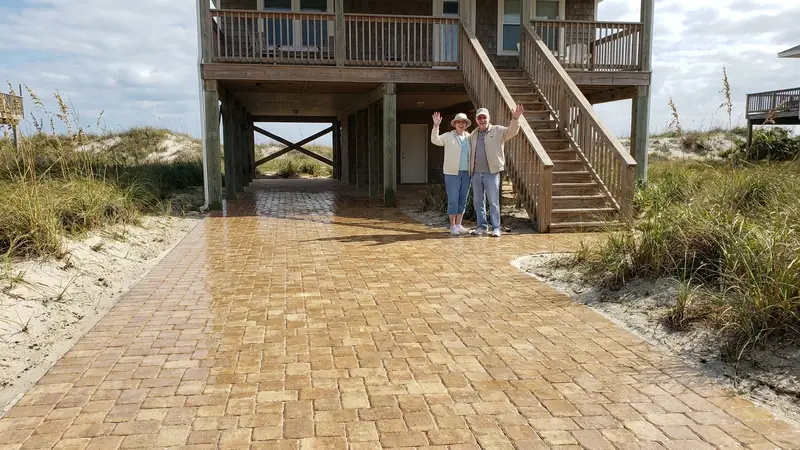
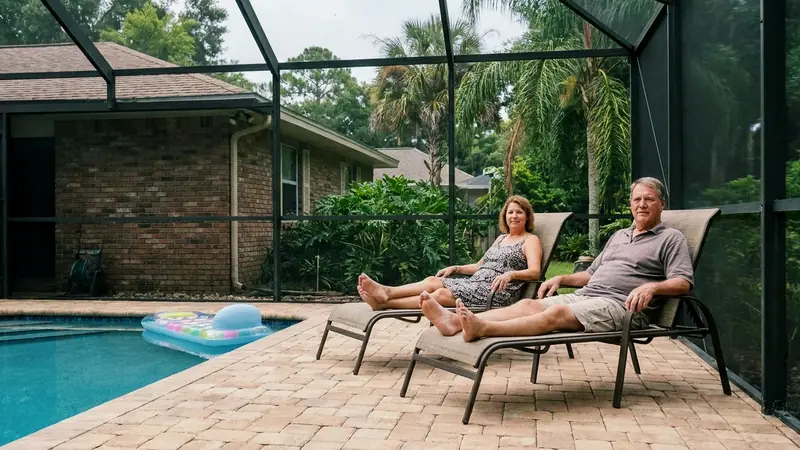
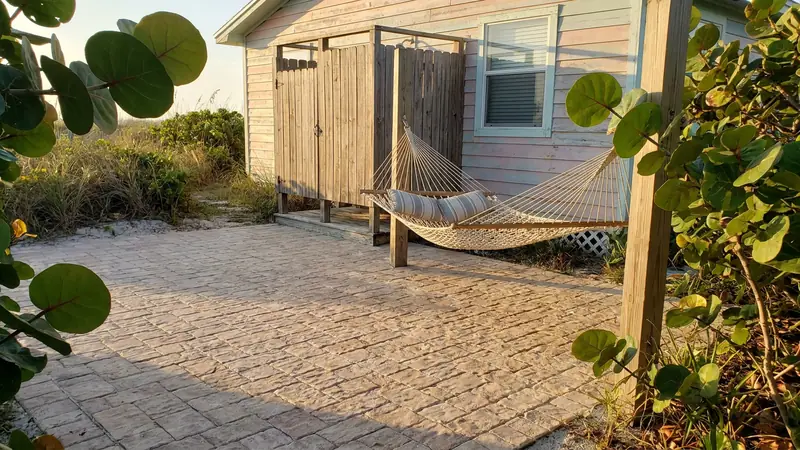
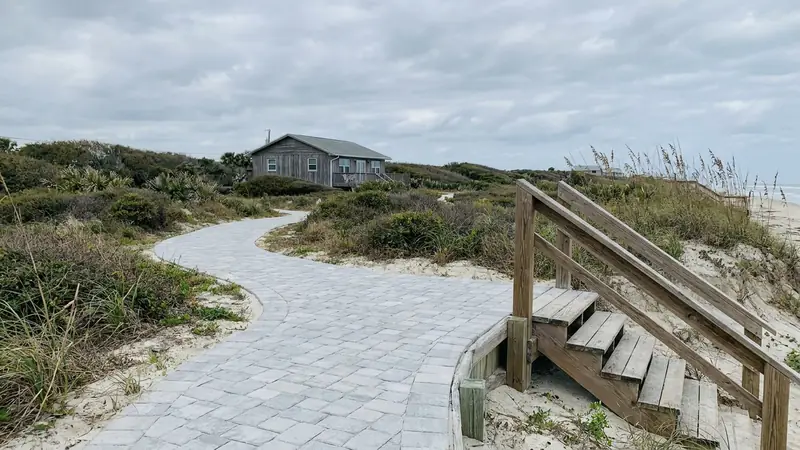
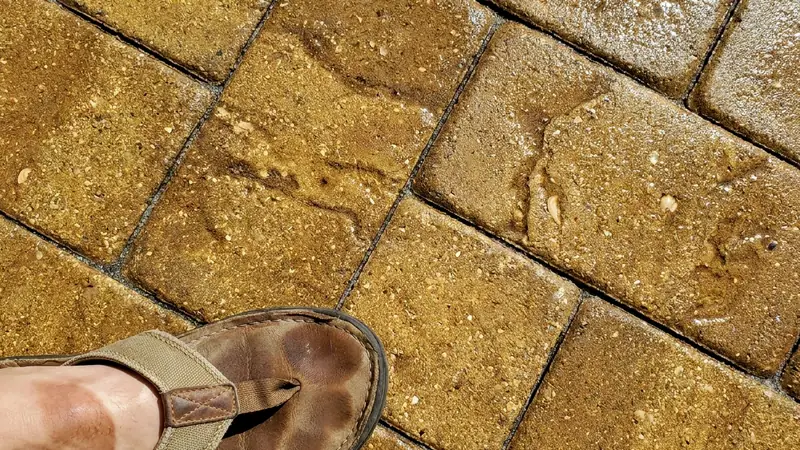
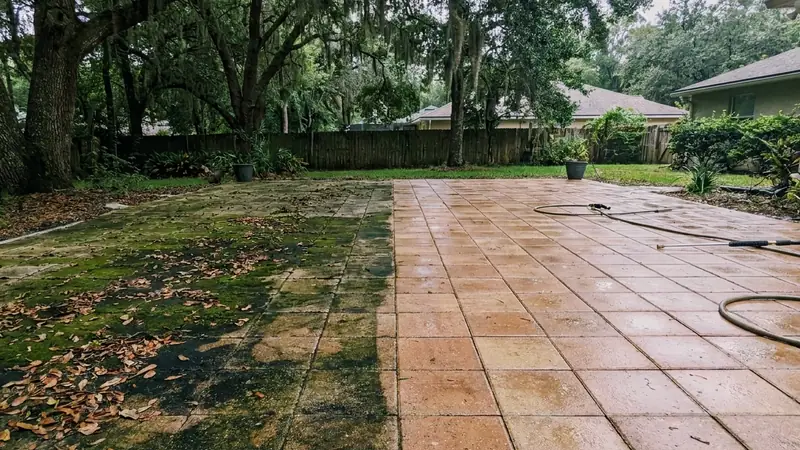
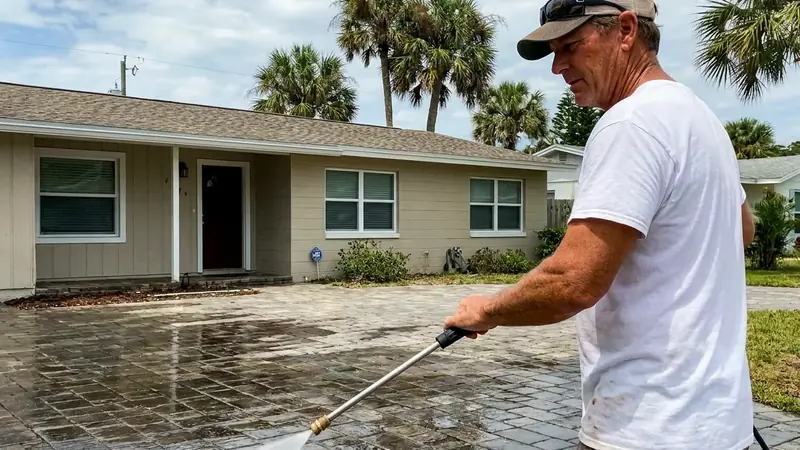
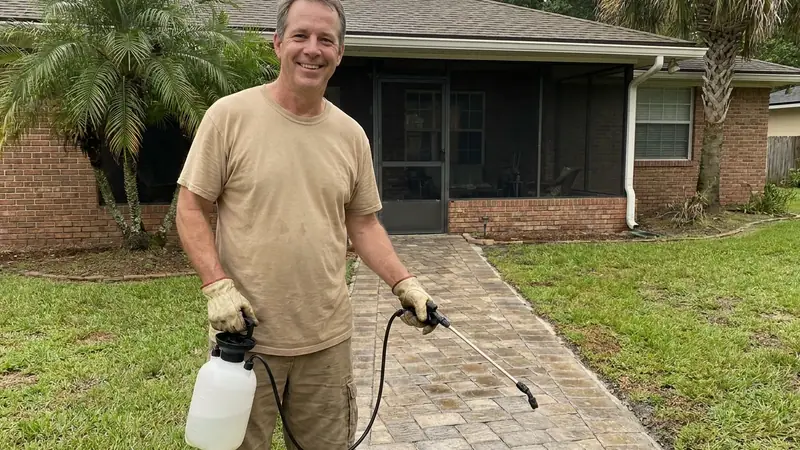
What do sealed pavers look like around Lake Asbury?
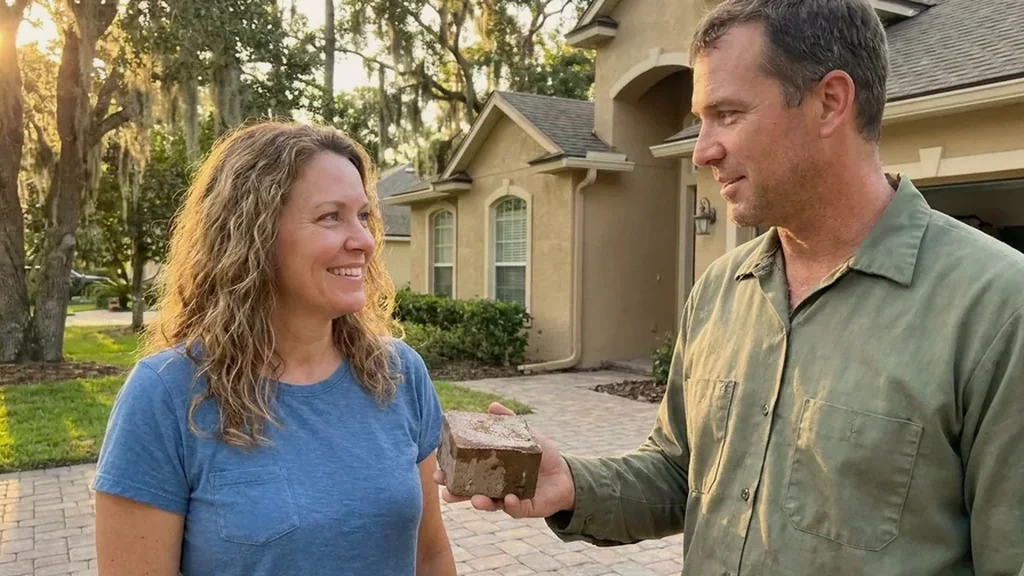
Why local matters in Lake Asbury
A contractor who knows Lake Asbury knows how fast it has changed. The population jumped about 290 percent from 2000 to 2010, and new subdivisions keep rising near the First Coast Expressway. That leaves brand-new pavers and older ones sitting a few miles apart. Call (904) 274-8546 to reach a contractor who works across Clay County.
Knowing when new pavers are ready matters here, with so many homes still going up. A contractor familiar with the area can tell you whether a fresh driveway needs more time before its first coat. Sealing too early can lock in a surface that has not finished settling. You can ask for a free estimate and ask about timing, with no obligation to book.
Lake Asbury sits between Green Cove Springs and Middleburg, about 13 miles southwest of Orange Park. A contractor who already works this side of the county knows the roads, the drive times and the new streets that are still being named. That makes scheduling simpler for everyone. Ask about open dates when you ask for a free estimate.
Where is Lake Asbury, and what is around it?
It is about 13 miles southwest of Orange Park and 30 miles southwest of downtown Jacksonville, north of the center of Clay County. Black Creek forms its northern edge, and the community wraps around a small lake of the same name. Clay County's visitor guide points people to that lake for fishing, kayaking and canoeing. If you live near the water and your patio has lost its color, call (904) 274-8546.
Penney Farms lies to the south along State Road 16, a town first planned as a farming village that became a retirement community after the 1929 crash. Up toward the expressway, Hyland Trail is building its Lodge Amenity Center, slated to open in 2026. Middleburg lies west of the community, and Green Cove Springs lies southeast. Near the lake or out by the new roads, ask for a free estimate and give your subdivision.
Frequently Asked Questions
Why is paver sealing so expensive around Lake Asbury?
Mostly because the price covers washing, sanding and sealing, not only the coat. That full job is commonly posted at $1.50 to $3.25 a square foot in Northeast Florida. A local guide says Green Cove Springs and Middleburg sometimes see lower prices, and Lake Asbury sits between them.
What water-based paver sealer works on new Lake Asbury pavers?
On new pavers with no old coat, a water-based sealer is an option once the surface is clean, dry and settled. On older pavers, the existing coat decides, since water-based sealer cannot go over solvent-based sealer. Ask the contractor to write down the product so the next coat can match it.
How long does paver sealing last on a Lake Asbury driveway in Florida?
A coat is usually quoted at two to five years. A local cost guide says sunny driveways often need it closer to three years. Beads of water mean it still works, while dark, soaked-in patches mean a Lake Asbury drive is due.
What driveway material works well in Florida, like here in Lake Asbury?
Concrete pavers hold up well when they are sealed, a Jacksonville paver company says, because sealing cuts UV fade, joint washout and mildew. The same company says dense natural stone such as travertine is the main case where skipping sealer makes sense. Either way, ask the contractor which care fits your Lake Asbury surface.
How long should new pavers wait before their first seal?
Until the bedding settles and the surface is ready, a Jacksonville paver company says. That page gives no set number of days, so ask the contractor to look at your new Lake Asbury drive. Sealing too early can lock in a surface that has not finished moving.
What is the white powder on my newer pavers?
It is most likely efflorescence, the chalky white deposit that shows up on concrete pavers. A Jacksonville cost guide lists sealing over it as one of the two most common sealing failures, so it gets treated during cleaning. Point it out at your Lake Asbury estimate.
Will my HOA care which finish I choose?
It might. Florida law lets an HOA board or committee hold owners to an existing look for the outside of a home. In a newer Lake Asbury community, read the rules or ask the HOA before choosing a dark wet look.
Do I need to park on the street after sealing?
Usually for one night, yes. A Jacksonville company says foot traffic is fine within a few hours but cars need longer, and many owners keep the car at the curb or in the garage until morning. Check your community's parking rules first.
Is sealing worth it on a newer Lake Asbury driveway?
For concrete pavers, a Jacksonville paver company says yes, since local sun fades unsealed pavers noticeably within three to five years. A first coat on a clean, settled drive is also simpler than a reseal over an old product. Ask the contractor when your pavers will be ready.
Can old and new pavers on one Lake Asbury lot get the same sealer?
Sometimes, but not always. If the older section carries a solvent-based coat, a water-based product cannot go over it, even if the new section has nothing on it yet. The contractor may need to treat the two areas differently, so point out any paver work added after the house was built.
Ready for a Free Estimate in Lake Asbury?
Call (904) 274-8546 and tell us about your pavers.
Free, no obligation