
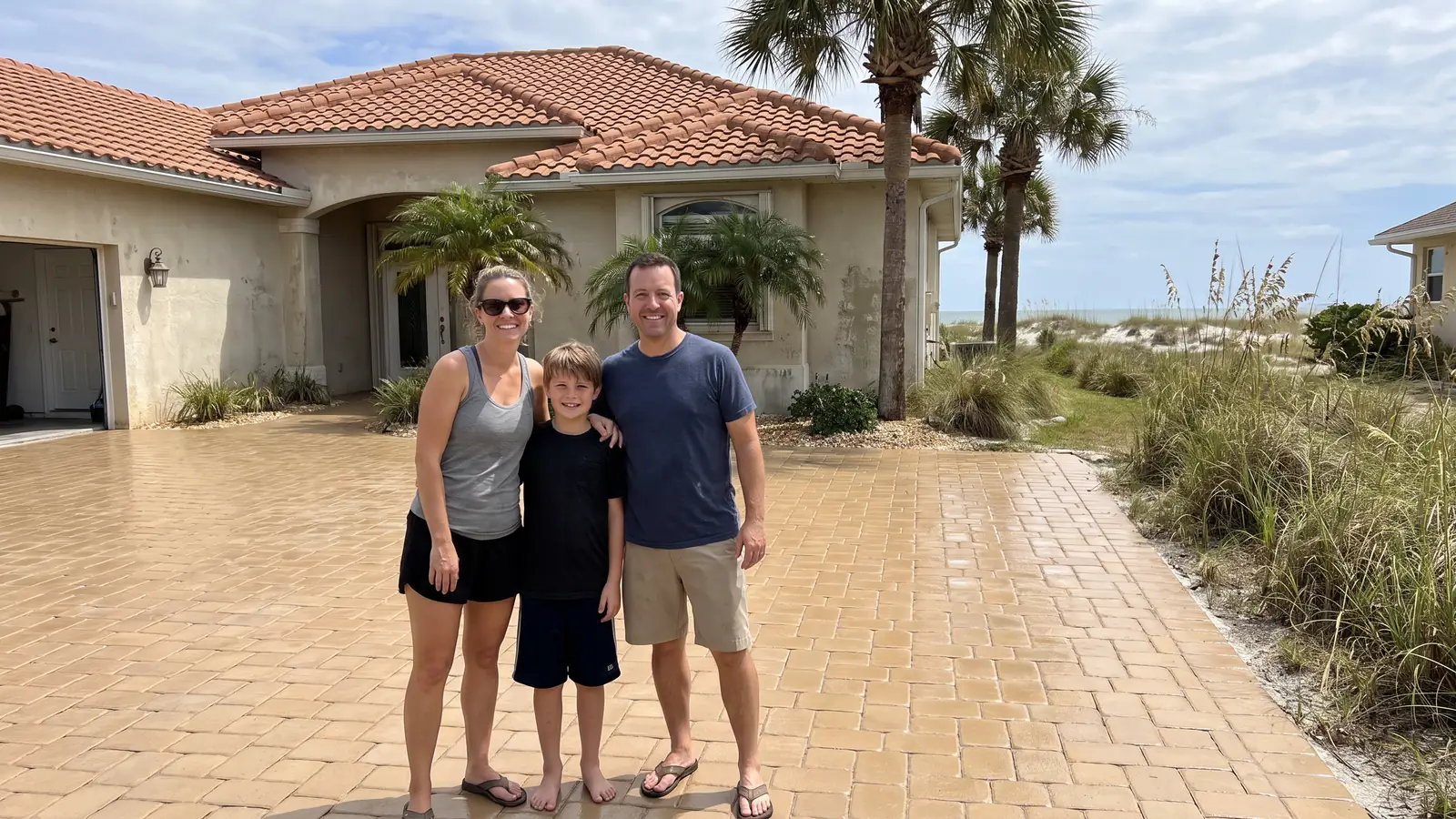
Paver sealing for St. Augustine homes
Paver Sealing in St. Augustine, FL
In St. Augustine, pavers may share a yard with coquina and old brick, so call (904) 274-8546 for a free estimate.
- Brings out deeper paver color
- Fresh joint sand helps lock pavers in place
- Gives weeds less room to grow
- Makes the surface easier to keep clean
- Free estimate, no obligation
Request a Free Estimate
Free, no obligation.
Fast, careful paver sealing in St. Augustine
Paver sealing for St. Augustine homes covers driveways, courtyards, garden paths and pool decks, and the estimate is free. A local contractor washes the pavers, refills the joints with sand and seals the surface. Point out every surface you want done, from the front walk to the back courtyard. To get started, ask for a free estimate and expect a reply within 1 business day, usually much sooner.
Picture a brick-red driveway that has faded to a dusty pink, with dark lines where the joint sand used to be. After a careful wash, new sand and a fresh coat, the color deepens and those lines close up. Old clay brick and newer concrete pavers can both come back this way. If you would rather describe it out loud, call (904) 274-8546 and say what you see.
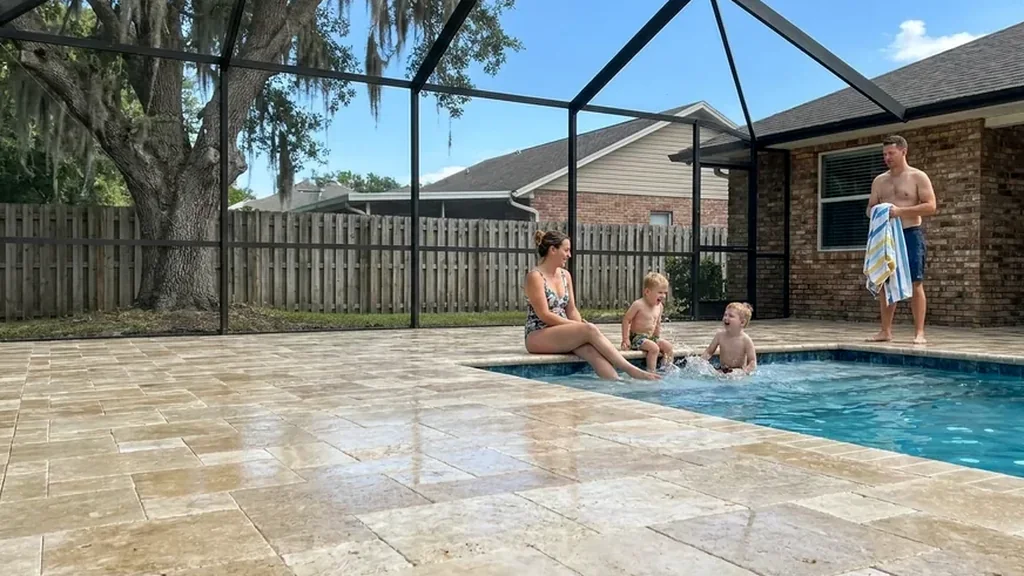
Why hire a local paver sealing contractor in St. Augustine?
St. Augustine homeowners often want a paver contractor from nearby because the older blocks mix brick streets and coquina walls with modern pavers. To talk through the surfaces around your house, call (904) 274-8546.
A free look first
A contractor checks your St. Augustine pavers and joints at no charge. You see the price before you agree to anything.
Old City pricing, spelled out
A clean, sand and seal around Northeast Florida is published at $1.50 to $3.25 per square foot. Hold any bid up to that.
A finish for older fronts
A matte coat keeps brick and shell stone looking calm. A wet look adds shine, but it shows scuffs sooner.
Your call on the date
You pick the finish and the day, and you can say no. The dry months from November to April give more dry days.
Get Your Free Estimate in St. Augustine
Tell us about your pavers in St. Augustine.
Free, no obligation
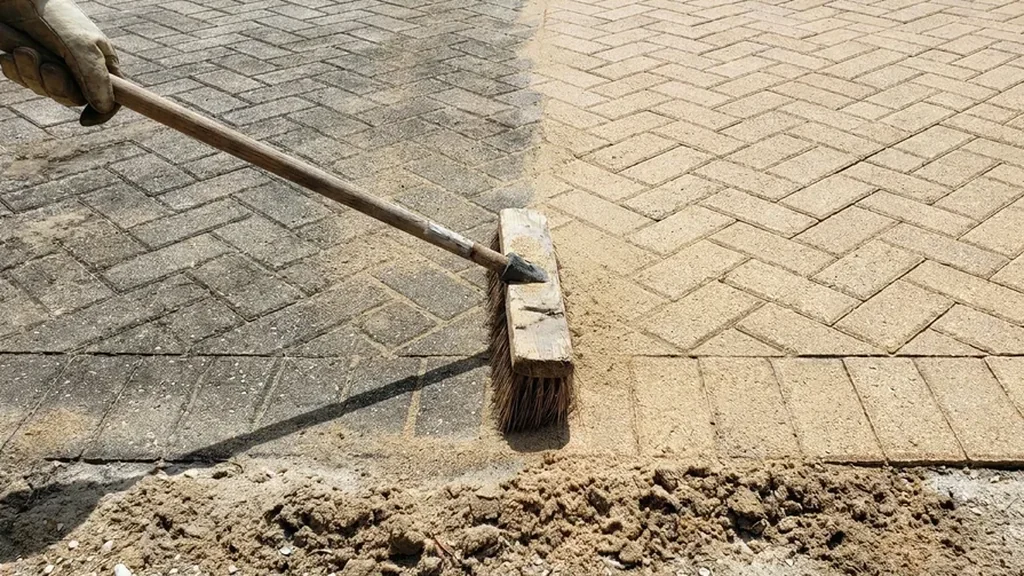
What paver problems show up most in St. Augustine?
Coquina walls beside the pavers
Coquina is a soft shell rock, quarried on Anastasia Island for the Castillo, the city gates and many property line walls in town. Early builders covered porous coquina with lime plaster, and most bare coquina is slowly wearing away. If your St. Augustine driveway runs along a coquina wall or step, cleaning near it has to stay gentle. A careful contractor keeps strong spray and harsh cleaners off that stone.
Brick that takes a different sealer
Brick was the first lasting paving on downtown St. Augustine streets, and the city still repairs its brick streets instead of paving over them. One Jacksonville area paver company says brick and natural stone are more porous than concrete pavers and need a different sealer. That changes the product, how much goes on and the price. Tell the contractor if your pavers are clay brick rather than concrete.
Old pavers that have dipped or lifted
The city's own brick streets have grown uneven over time, and an older paver yard can do the same. Sealer does not level anything, so low spots are pointed out at the first visit and reset as a separate job. A St. Augustine company says pavers that sink or rock should be lifted and relaid by an installer before any coat goes on. Otherwise the sealer locks the dip in place, which means the puddle stays too.
Joints emptied by summer cloudbursts
St. Augustine summers bring daily thundershowers, often short and hard. A local company says many area installs were filled with play sand, and each storm and sprinkler run carries a little more of it away. Empty joints collect dirt and seeds, and weeds follow within a season or two. That is why real joint sand goes back in before the sealer, starting on the low side of a sloped drive, where sand goes first.
Tight lots close to the street
Lincolnville was laid out with narrow streets, small lots and houses close to the street line. A short drive or a courtyard behind the house leaves little room for hoses and tools, so gear may be carried in by hand. Overspray also has to stay off a neighbor's wall a few feet away. Small spaces can take more care per square foot than an open driveway.
Does it matter where in St. Augustine your home sits?
Yes, because lot size, nearby stone and the age of the block all change how a paver job goes. North of downtown, Fullerwood Park runs from Hildreth Drive to Macaris Street between San Marco Avenue and Hospital Creek. Nelmar Terrace sits just south of it along the same creek. Call (904) 274-8546 and name your cross street so the contractor can picture the block.
Both of those districts joined the National Register within a year of each other, Fullerwood Park in 2010 and Nelmar Terrace in 2011. Older homes there can put pavers right beside aged masonry, so rinse water and cleaners need watching. A walk past a coquina wall gets a gentler touch than a driveway in the open. When you ask for a free estimate, mention whether any old stone touches your pavers.
South and west of the plaza, Lincolnville was settled in 1866 and still has narrow streets and small lots. Downtown, St. George Street holds more than 30 historic houses and attractions on a street meant for walking. In tight spots like these, the contractor plans where the gear sits and where the rinse water goes. To ask about a small courtyard or side path, ask for a free estimate.
What does paver sealing cost in St. Augustine?
Around St. Augustine and the rest of Northeast Florida, the published rate to clean, sand and seal runs $1.50 to $3.25 per square foot. Brick and natural stone tend to sit higher in that range, since they take a different sealer. A small St. Augustine courtyard can still cost less in total than a long driveway. For a figure based on your pavers, ask for a free estimate.
Other things on a St. Augustine lot move the number too. White or peeling old sealer may need removal, rust and oil take extra cleaning, and gear carried down a narrow side yard adds time. Sunken spots need an installer first, which is a separate cost. Call (904) 274-8546 to find out which of these the contractor sees at your house.
| Paved area | Typical example | Clean, sand and seal |
|---|---|---|
| 300 sq ft | Small patio or walkway | $450 to $975 |
| 600 sq ft | Two car driveway | $900 to $1,950 |
| 1,000 sq ft | Large driveway or pool deck | $1,500 to $3,250 |
| 1,500 sq ft | Driveway plus pool deck | $2,250 to $4,875 |
Math based on the $1.50 to $3.25 per square foot that Northeast Florida paver companies published as of November 2026. Your contractor sets the actual price after seeing the surface. Repairs, leveling and stripping failed sealer are usually extra.
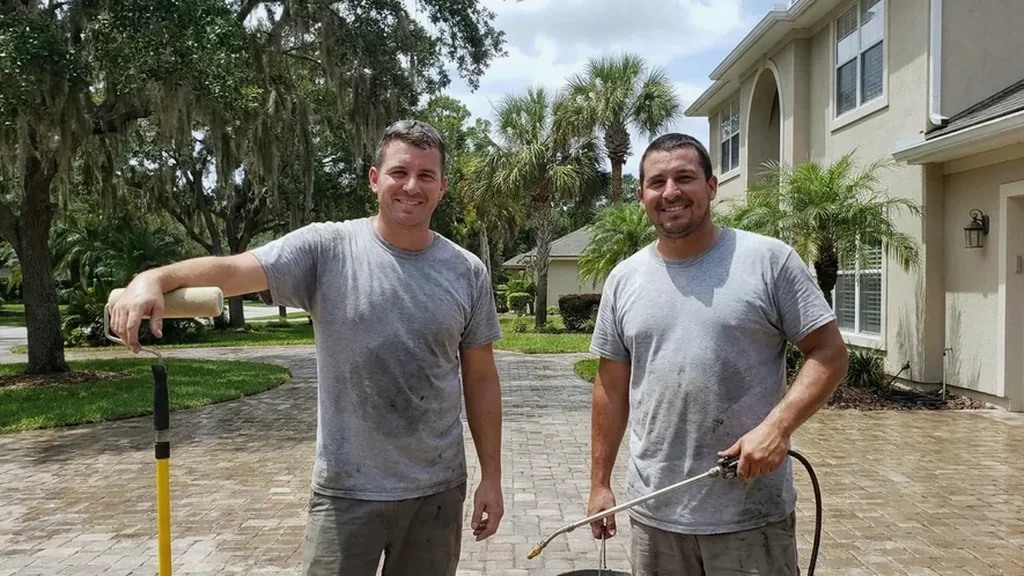
How does a paver sealing job work in St. Augustine?
Look at what surrounds the pavers
The visit starts with the pavers and with everything that touches them. On a St. Augustine lot that might be a coquina wall, a brick border or a travertine pool edge. Low spots and rocking pavers get flagged, since an installer has to reset them before sealing. Any sign of an old coat gets noted too, because water-based sealer cannot go over solvent-based.
Wash with a light hand near soft stone
Next, the pavers get washed for green growth, dirt and stains. Near coquina or older masonry, the contractor turns the pressure down and keeps strong cleaners away. Rust, oil and white haze, often efflorescence rising out of the pavers, each get their own treatment at this stage. Brick takes longer, since dirt settles into its rougher face, and rinse water is steered away from the street and the neighbor's yard.
Fill the joints with real joint sand
Washing pulls sand from the joints, so it all has to go back. A local company says many St. Augustine area installs used play sand, which washes out with storms and sprinklers. Joint sand made for pavers gets swept in and packed down. That gives weeds far less room to take hold.
Coquina and brick need dry days
Sealer needs a dry surface to bond. In the dry season this step may be quick, but a summer storm can reset the clock in minutes. Shaded courtyards and spots near the creeks can stay damp longer than an open drive. A careful contractor waits rather than sealing pavers that are still wet underneath.
Seal and keep traffic off
Last comes the coat itself, in matte or wet look, whichever you chose. It works into the joints and across the face of each paver. Ask the contractor when you can walk on it and when the car can come back. Companies commonly quote two to five years before the next coat, so ask where your yard should fall.
Complete paver services in St. Augustine
In St. Augustine the work goes wash, sand, dry, then seal, and the order matters. The wash lifts grime and green growth, and new joint sand replaces what the water pulled out. Only a clean, dry surface holds sealer well, so nothing gets trapped under the coat. To ask how many days your yard would need, call (904) 274-8546.
Most yards in the older parts of town hold more than one surface. A concrete paver driveway takes tires and oil, a clay brick walk soaks up more product, and a travertine pool deck stains easily. Paths that pass coquina walls need the softest cleaning of all. List every surface you have when you ask for a free estimate, so the quote covers each one.
Sealer comes in water-based and solvent-based types, and water-based sealer cannot go over solvent-based sealer. That means an old coat from a past owner can decide what goes on next. After that comes the look, either matte or a wet shine that shows scuffs sooner. Call (904) 274-8546 to talk through which one suits brick, shell stone or concrete.
Timing in St. Augustine follows the wet and dry seasons. From November through April the city often goes long stretches without rain, which makes a dry surface easier to find. Summer brings short, heavy storms almost daily, so a July date may slide. For a day that fits the forecast, ask for a free estimate.
Questions to ask before you hire
- How do you keep overspray off my garden beds, pool water and stucco?
- What would you do if the sealer dried with a white haze on it?
- Could you seal one small patch first so I can see the color?
- Do you sweep in polymeric sand or regular sand before the sealer goes on?
- Will the finish come out shiny, or closer to how the pavers look now?
- When can my irrigation start back up after the sealer goes down?
- If a storm moves in on my day, how far out do you push the job?
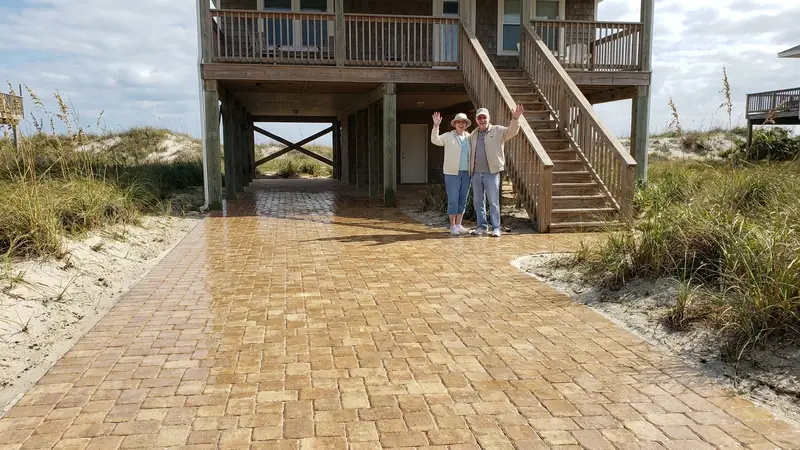
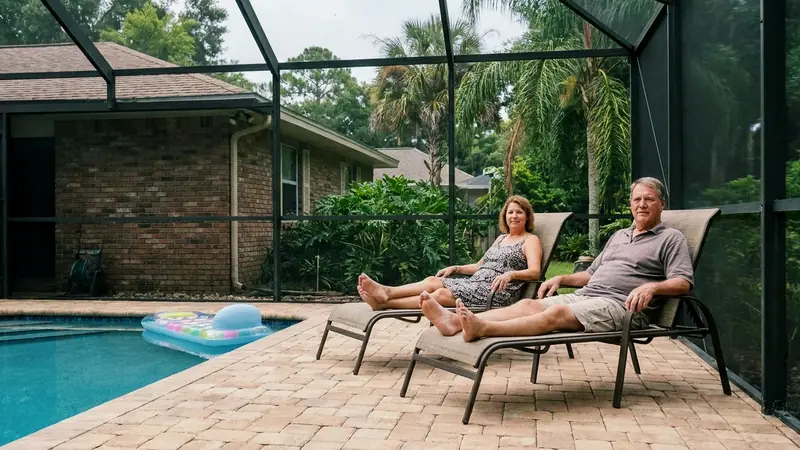
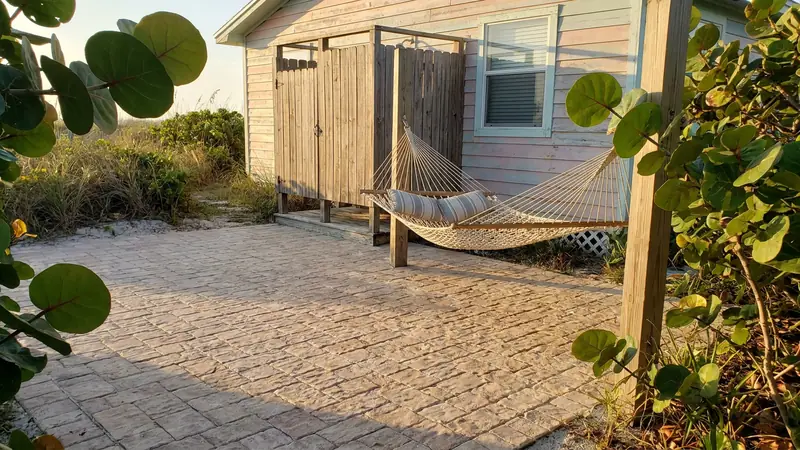
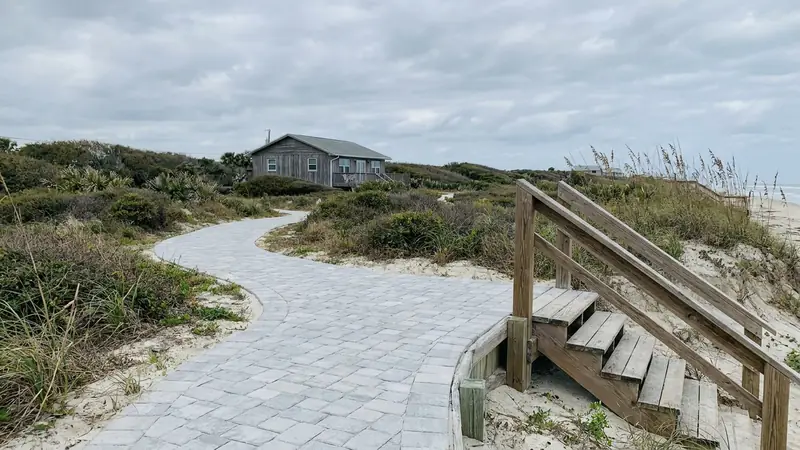
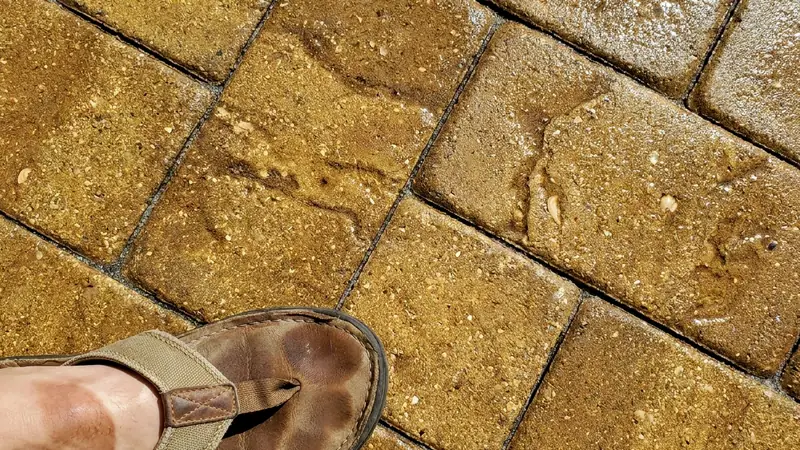
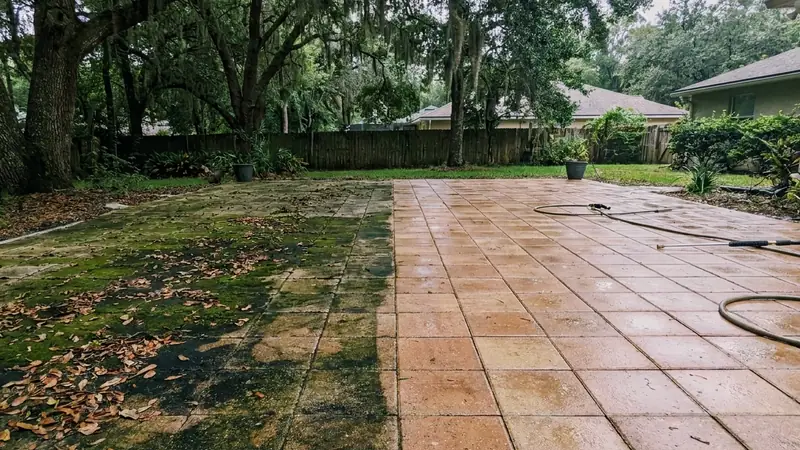
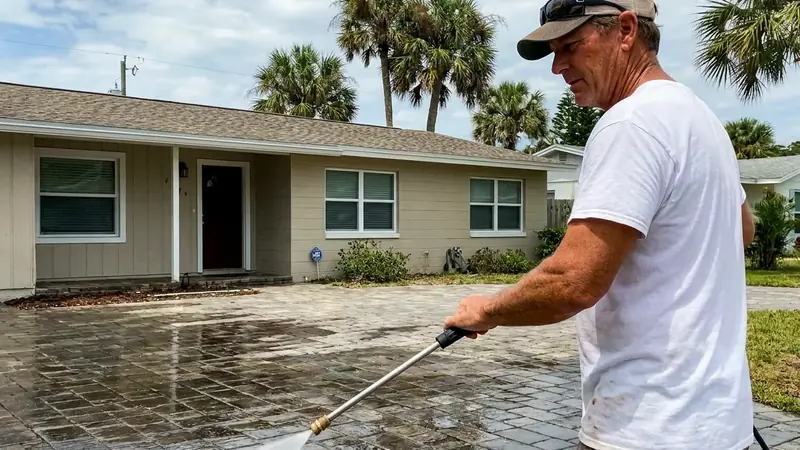
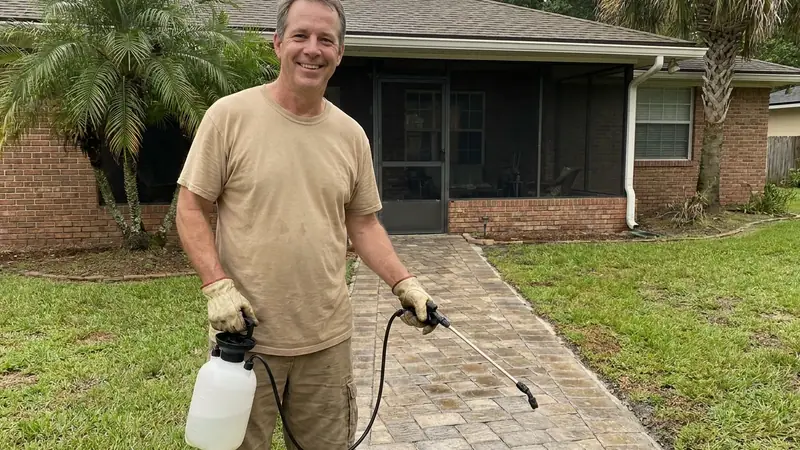
What do sealed pavers look like around St. Augustine?
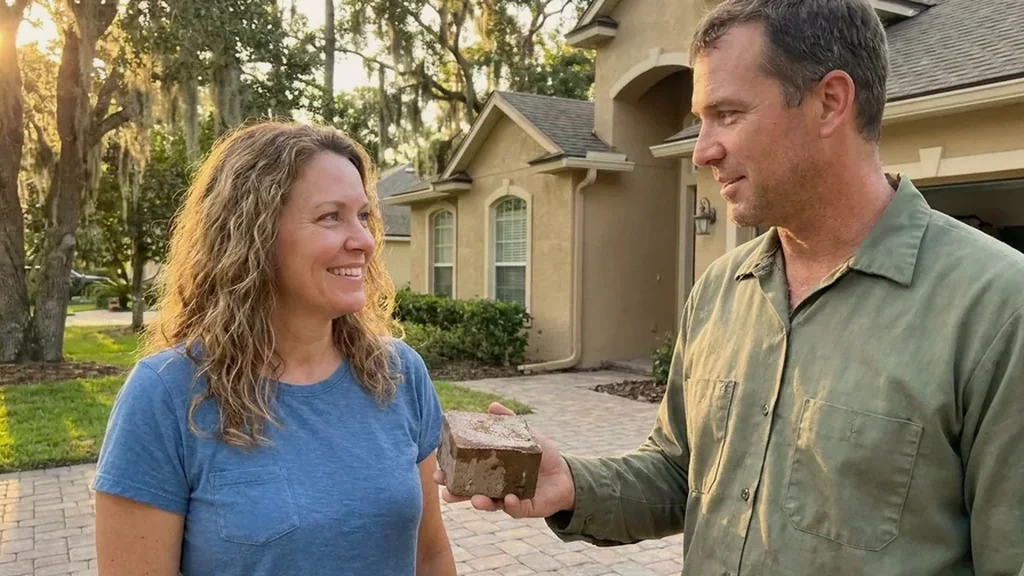
Why local matters in St. Augustine
A contractor who works St. Augustine knows that a paver yard here may sit beside stone older than most houses in the state. Coquina and old brick need a softer touch than a new subdivision driveway. Someone from far away may treat every surface the same. To talk with someone who knows the old city's streets, call (904) 274-8546.
Local timing matters as well in a coastal city. The dry months make sealing easier, while summer storms can push a date at short notice. Downtown flooded when Hurricane Matthew passed in 2016, so low yards near the bay may need extra washing after a storm. You can ask for a free estimate and ask how a contractor plans around the weather.
Small lots add one more reason to hire close by. In Lincolnville and the older blocks north of downtown, a contractor has to fit gear into tight spaces and keep spray off homes next door. Someone used to these streets will plan for it before arriving. If that sounds like your block, ask for a free estimate and note how much room there is to work.
Why do older St. Augustine streets call for extra care with pavers?
Because brick and shell stone have been part of the city for centuries. Coquina from Anastasia Island built the Castillo de San Marcos and the old city gates, and many walls in town use the same stone. Downtown, Hypolita, Treasury and Spanish streets were relaid with a brick blend made to match the colors of the old bricks. If your pavers sit near any of that, call (904) 274-8546.
The Bridge of Lions has carried traffic across Matanzas Bay from downtown to Anastasia Island since 1927. North of the bridge, the Fullerwood Park and Nelmar Terrace districts line Hospital Creek, and Lincolnville sits to the southwest. Each area mixes older surfaces with newer pavers in its own way. Wherever you live in St. Augustine, ask for a free estimate and name the nearest landmark.
Frequently Asked Questions
Why is paver sealing in St. Augustine so expensive?
It costs what it does because most of the work comes before the sealer. The pavers get washed, stains treated, joint sand replaced and the surface dried, and only then sealed. Northeast Florida companies commonly publish $1.50 to $3.25 per square foot for the full job, and brick or natural stone can land higher. Small courtyards and gear carried in by hand can also add time.
How long does sealer last on St. Augustine pavers?
A fresh coat every two to five years is what companies commonly quote. A driveway with daily tires or a pool deck in full sun tends toward the shorter end. Ask the contractor where your St. Augustine yard should fall after they see it. A quick check helps too: if water soaks in and darkens the pavers instead of beading, the coat is wearing thin.
What sealer works on brick pavers in St. Augustine?
Brick usually needs a different sealer than the concrete pavers found on most newer St. Augustine drives. One Jacksonville area company says brick and natural stone are more porous and need different sealer chemistry. That is also why brick often costs more to seal than concrete. If your brick was sealed before, note the old product, since it limits what can go on top.
Is there a pressure washing business in St. Augustine that also seals pavers?
Yes, several St. Augustine pressure washing companies list paver sealing among their services. Washing is the first stage of any sealing job, so the two often come together. Ask whether the quote covers washing, joint sand and sealer as one price. Get the finish, the sealer type and the date in writing before work starts.
Can pavers next to a coquina wall be sealed safely?
Yes, as long as the cleaning near the wall stays gentle. Coquina is porous shell rock, and bare coquina is slowly wearing away on its own. Ask the contractor to keep high pressure, strong cleaners and sealer overspray off the wall, and to mask it if needed. A short talk about the wall at the first visit saves trouble later.
When is the driest time to seal pavers in St. Augustine?
November through April is usually the driest stretch of the St. Augustine year. St. Augustine often goes long periods without rain in those months. April can bring near drought conditions and water limits, which makes a dry surface easy to find. From May through October, short storms come almost daily, so a summer job needs a backup date.
My pavers were sealed by a past owner. Does that change anything?
It can, because water-based sealer cannot go over solvent-based sealer. The contractor has to work out what is on the surface before choosing what goes on next. Any old paperwork or product name you can find will help. A coat that is peeling or white in patches is a clue that the old product needs attention first.
Should brand-new pavers in St. Augustine be sealed right away?
No, it is better to give new pavers a few months first. A St. Augustine company suggests about 60 to 90 days after the pavers go in. In that time, moisture works out of the pavers and any white haze comes up where it can be cleaned before the sealer covers it.
Ready for a Free Estimate in St. Augustine?
Call (904) 274-8546 and tell us about your pavers.
Free, no obligation